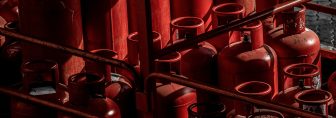
An LPG gas cylinder is safe to use when the cylinder, regulator, and hose work properly and the kitchen is well-ventilated.
That is why you must check the cylinder and other accessories when you get a new LPG gas connection.
Also, if you smell gas, close the regulator immediately, open windows, and avoid switches and flames.
Leave the room at once and call 1906 for help.
Moreover, always check the expiry stamp of the cylinder, replace the hose at least every five years, and know that registered consumers carry accident insurance.
Quick Reference: LPG Gas Safety Rules
Rule
What It Says
Emergency Line
1906 for round-the-clock help for gas leaks.
Expiry Stamp
• The letter shows the quarter (A Jan to Mar, B Apr to Jun, C Jul to Sep, D Oct to Dec), and the number shows the year. • So, D-27 means Oct to Dec 2027
Regulator and Hose
• Use ISI-marked parts. • Replace the hose at least every five years.
Governing Law
Gas Cylinders Rules, 2016 and Static and Mobile Pressure Vessels (Unfired) Rules, 2016
Insurance
₹6 lakh for deathMedical ₹30 lakh per event₹2 lakh per personProperty ₹2 lakh.
What Are The Risks Of Using An LPG Cylinder?
When you book an LPG cylinder, you must know that almost every accident with LPG happens due to leakage and the presence of an ignition source.
Why Leaks Are Risky
LPG is heavier than air.
So, when gas leaks, it sinks and pools near the floor and drains instead of drifting away.
It is naturally odorless, but the suppliers add a strong-smelling agent to it so that you can identify a leak immediately.
Common Causes For LPG Gas Safety
You must not buy an LPG refill from an unauthorized shop. Also, the most common causes of LPG gas leakage are:
Cracked Hoses
Loose Regulators
Damaged or Expired Cylinders
Poor Ventilation
Fire Near the Cylinder
Illegal Refilling from One Cylinder to Another
How Should You Set Up Your Kitchen For LPG Safety?
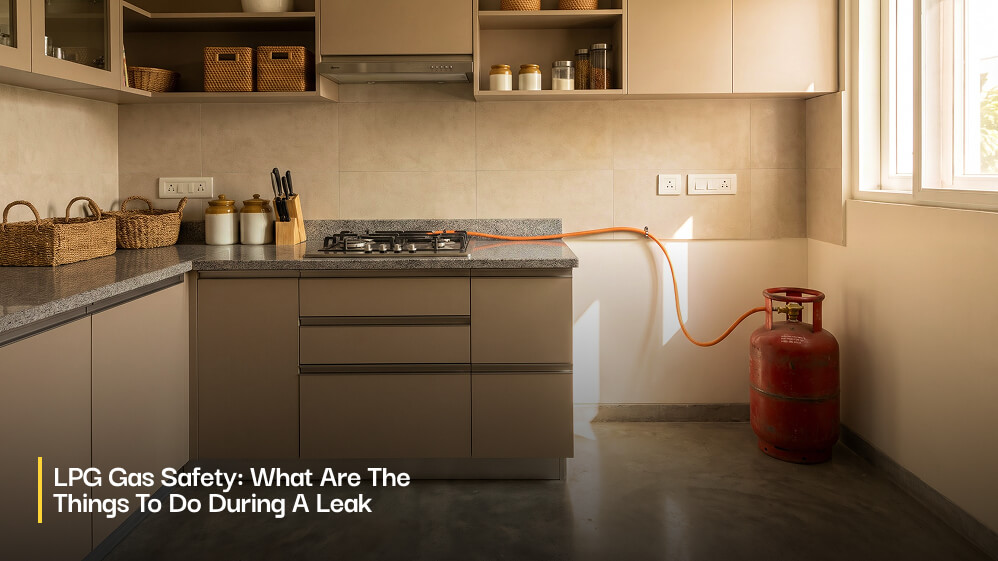
You have to keep your gas cylinder at least 1 meter away from the stove or any other source of heat and open flame.
Here is more about the placement of the cylinder, cabinet, and the use of other accessories.
Stove And Cabinet Placement
Position your stove on a sturdy, non-flammable platform above the cylinder level.
Keeping the stove higher than the cylinder is important to ensure smooth gas flow and prevent liquid fuel from entering the regulator.
Unfortunately, even today, in many Indian households, the gas oven is kept on the floor in the kitchen, and the cylinder stands close to it.
Never enclose your cylinder inside a tight wooden cabinet or under a closed sink counter.
If a leak happens inside an enclosed space, gas gets trapped and can ignite from a tiny spark.
Connecting Accessories
You must only use an ISI-marked regulator and a reinforced Suraksha rubber hose approved by your oil marketing company.
Also, keep the hose length under 1.5 meters so that it does not loop, get twisted, or touch the hot stove body.
In addition, do not place electrical sockets directly above the cylinder.
A spark from plugging in an appliance or flipping a switch can ignite leaked gas.
Handling or swapping a cylinder beneath a socket also increases the risk of bumping wiring or damaging the outlet.
What Are The Common Checks You Should Do Every Month For LPG Gas Safety?
You can follow a five-minute routine to prevent many of the LPG gas safety problems.
Cylinder And Regulator
After the delivery or transfer of an LPG cylinder, you must read the expiry stamp and confirm that the tamper-evident plastic seal over the valve is intact.
The seal must carry the official branding of your oil company.
Remove the safety cap carefully and listen for a hissing sound, which indicates a faulty valve pin.
If you notice any gas odor or hear hissing, reject the cylinder immediately and ask for a replacement.
You must also check for rust and dents.
Brush soapy water on joints to spot bubbles. Never use a flame or lighter to test for leaks.
Hose And Regulator
You must also check the hose for cracks, hardening, or burn marks and replace it before five years pass.
Keep the cylinder upright, away from heat, and switch off the regulator when the kitchen is unattended.
The Weight Of The Cylinder
You should also ask the delivery staff to weigh the cylinder using their portable scale to verify you are getting the full net weight of 14.2 kg for domestic connections.
Finally, confirm that the safety washer inside the valve is present and undamaged, as a missing rubber O-ring will prevent the regulator from locking tightly.
What Do You Do During A Leak? A Quick Summary
Step
What to Do
Why
1
Do not touch any switch, flame, or phone near the leak.
Sparks can ignite gas.
2
Close the regulator knob.
Do this first if safe.
3
Open doors and windows.
Let the heavy gas escape.
4
Fit the safety cap if the leak is at the valve.
Only if you can do so safely.
5
• Leave the house and call 1906 from outside. • Call 101 for fire. • Do not carry the cylinder if it is already burning or igniting sparks.
Emergency evacuation is mandatory.
6
Report to the distributor in writing.
Needed for insurance.
What Does LPG Insurance Cover? How Do You Claim?
Oil companies hold a public liability policy that covers registered consumers.
The policy pays ₹6 lakh for death, medical costs up to ₹2 lakh per person within ₹30 lakh per event, and up to ₹2 lakh for property damage at registered premises.
Inform your distributor in writing quickly.
Mention the consumer identification, such as your full name, registered consumer number, LPG ID, and registered contact phone number.
Also include the time and date of the incident and describe the injuries and losses.
Write the FIR or reference number of the FIR or complaints you have made against the incident.
The company investigates and notifies the insurer, so you need not approach the insurer yourself.
Safety advisories can differ slightly by company, so follow the instructions printed on your own consumer card and cylinder label.
Daily Habits and Vacation Precautions
Always turn off the regulator knob first, followed by the stove knobs, every night before going to bed and whenever you leave the kitchen unattended.
Relying solely on the stove knobs leaves the rubber hose pressurized, which increases wear and leak risks.
Safe Cooking Practices
Never leave boiling milk, oil, or water unattended on a lit burner, as spilled liquids can extinguish the flame while gas continues to flow.
Wear fitted cotton clothes while cooking instead of loose synthetic garments that can catch fire easily.
Keep flammable items like dish towels, plastic containers, aerosol sprays, and curtains well away from the stove.
Preparing For Extended Travel
If you are locking your house for a vacation or weekend trip, take extra precautions.
Switch off the regulator, disconnect it completely from the cylinder valve, and snap the plastic safety cap firmly onto the valve until you hear a click.
Store the disconnected cylinder upright in a cool, airy spot.
It should be away from direct sunlight, and never leave a spare filled cylinder stored inside a closed bathroom, balcony, or basement.
LPG Gas Safety: Frequently Asked Questions (FAQs)
Here are the frequently asked questions and answers about LPG gas safety.
Is It Safe To Keep An LPG Cylinder In The Kitchen?
Yes, it is safe to keep the LPG cylinder in the kitchen. It should stand upright on a flat surface, away from heat.
Also, the room should have provisions for cross-ventilation.
Furthermore, keep the cylinder below the counter level only if the stove allows it, and never keep it in a closed cupboard or near electrical sockets.
Switch off the regulator at night or when you leave home. Also, never store cylinders in basements or lifts.
What Does The Code Stamped On The Cylinder Mean?
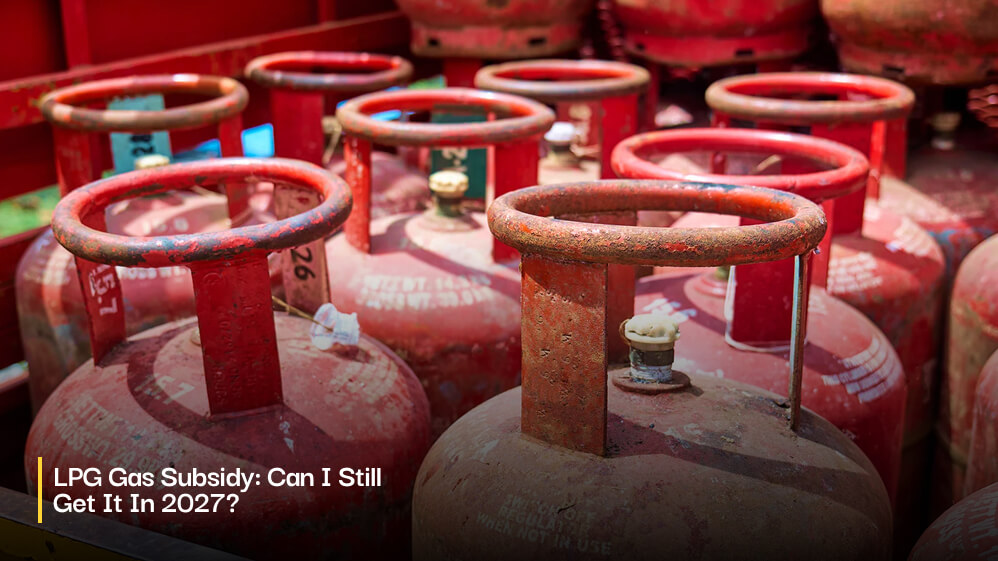
The stamp on the collar of a gas cylinder means that it is due for testing.
The letter marks the quarter (A for January to March, B for April to June, C for July to September, D for October to December) and the digits represent the year.
Check the stamp when the cylinder arrives and refuse a cylinder past its date.
How Often Should I Change The Rubber Hose?
Replace the hose at least every five years, or sooner if it shows cracks, stiffness, or burn marks.
Use an ISI-marked hose from your distributor and fit it with clamps. A worn hose is among the most common leak points.
So, inspect it whenever you change cylinders. Keep clamps tight but not overtightened.
Can I Refill My Cylinder From Another One?
No, you cannot refill your cylinder from another one.
Decanting gas from one cylinder to another is illegal and extremely dangerous because it can overfill the cylinder or create sparks.
Buy refills only through your authorised distributor.
If someone offers cheap refills, decline and report the shop to your oil company’s helpline.
It risks serious injury, fire, and legal action.
Is The Insurance Cover Automatic?
Yes, the insurance cover is automatic.
The public liability policy covers consumers registered with the oil marketing companies, and you do not buy it separately.
The policy is not in your name. So, claims go through the distributor and company.
Keep your consumer number, cash memos, and any police or fire report. Photograph any damage for the record.
What If The Cylinder Catches Fire?
Do not try to fight a cylinder fire unless it is tiny and you are completely safe.
Close the regulator if you can reach it without risk, get everyone out, and call the fire service on 101 and the LPG emergency line on 1906.
Never carry a burning cylinder, and teach every family member this rule because it can burst at any moment.
Does Opening Windows Really Help In A Leak?
Yes, opening windows really helps in a leak because ventilation lets the escaping gas disperse and lowers the chance of ignition.
Open doors and windows, but do not switch on exhaust fans or lights.
Keep low-lying areas clear, since LPG sinks, and stay outside until the distributor or fire service declares the house safe.
Cross-ventilation works best with openings on opposite walls.
Sibashree has been into SEO and eCommerce content writing for more than 9 years. She loves reading books and is a huge fan of those over-the-top period dramas. Her favorite niches are fashion, lifestyle, beauty, traveling, relationships, women's interests, and movies. The strength of her writing lies in thorough research backing and an understanding of readers’ pain points.