







Planning a Unique Event Through Projection Mapping
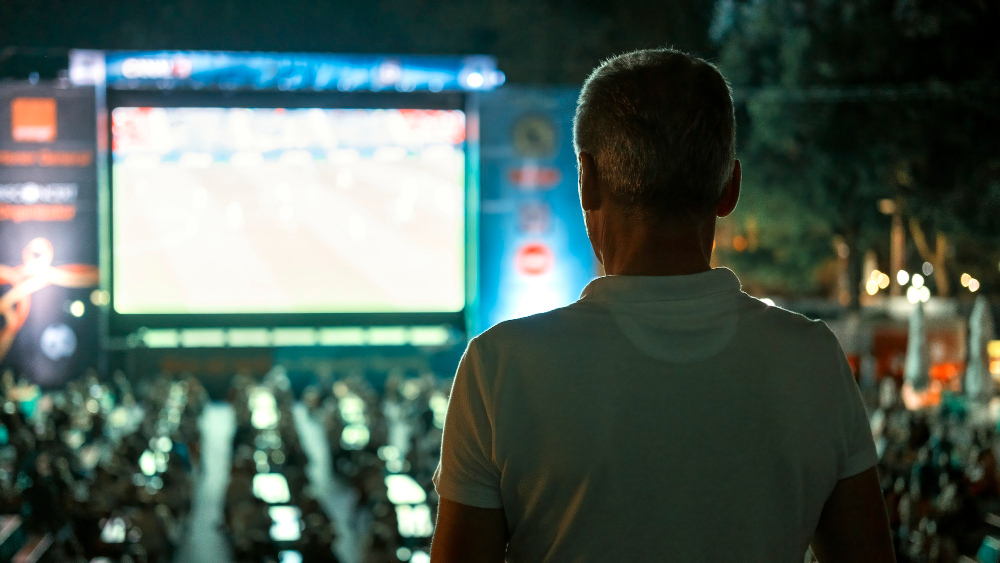
Creating a memorable event today requires more than great music, good food, and beautiful décor. Guests increasingly expect immersive experiences that surprise them, engage their senses, and create moments worth sharing. One of the most powerful tools event planners now use to achieve this is projection mapping.
Projection mapping transforms ordinary surfaces into dynamic visual displays using specialized projectors and custom content. Walls, stages, buildings, sculptures, and even floors can become living canvases that display moving imagery, animations, and storytelling elements.
When done well, projection mapping can completely redefine the atmosphere of an event. From corporate product launches to weddings and festivals, it allows organizers to turn a space into something unforgettable.
Many event planners work with projection mapping experts to design and execute these installations, ensuring the technology and visuals work seamlessly together. Whether you are planning a corporate event, brand activation, or private celebration, projection mapping offers nearly endless creative possibilities.
What Is Projection Mapping?
Projection mapping is a visual technology that uses high-powered projectors to display images and video onto three-dimensional surfaces. Unlike traditional projection on a flat screen, projection mapping is carefully calibrated to fit the shape and structure of objects or architectural elements.
The process involves mapping digital content precisely onto surfaces so that the visuals appear to interact with the physical environment. This can create illusions such as walls breaking apart, buildings transforming into animated landscapes, or sculptures coming to life.
Because projection mapping blends technology, art, and storytelling, it can transform a simple venue into an immersive environment.
Why Projection Mapping Is Ideal for Unique Events
Event planners constantly look for ways to create experiences that stand out. Projection mapping offers several advantages that traditional décor or lighting cannot match.
Immersive Visual Experiences
Projection mapping surrounds guests with motion, color, and light. Instead of static decorations, the environment can continuously evolve throughout the event.
Flexible Design Possibilities
Since projection mapping relies on digital content rather than physical installations, designs can change instantly. A ballroom wall can transform into a forest scene, then shift into abstract visuals for dancing later in the evening.
Space Transformation
Projection mapping can dramatically change the appearance of a venue. Plain walls or industrial spaces can become visually stunning environments.
Shareable Moments
Unique visual environments encourage guests to take photos and videos, which helps generate social media engagement and organic promotion for the event.
Types of Events That Benefit from Projection Mapping
Projection mapping works well across many different types of events.
Corporate Events
Companies often use projection mapping for product launches, conferences, and brand activations. Animated visuals can highlight brand messaging, showcase products, or create dramatic stage reveals.
Trade Shows and Exhibitions
At busy trade shows, standing out is essential. Projection mapping can turn a booth into an eye-catching installation that draws attention across the exhibition floor.
Weddings and Private Celebrations
Couples increasingly incorporate projection mapping into weddings to create magical atmospheres. Visuals can include animated floral patterns, romantic scenes, or storytelling elements that reflect the couple’s journey.
Festivals and Public Events
Large-scale projection mapping installations are common at festivals, cultural events, and city celebrations. Buildings, monuments, and landmarks can become massive visual displays that captivate audiences.
Choosing the Right Venue
The venue plays a critical role in the success of projection mapping. Certain architectural features work particularly well for visual installations.
Ideal surfaces include:
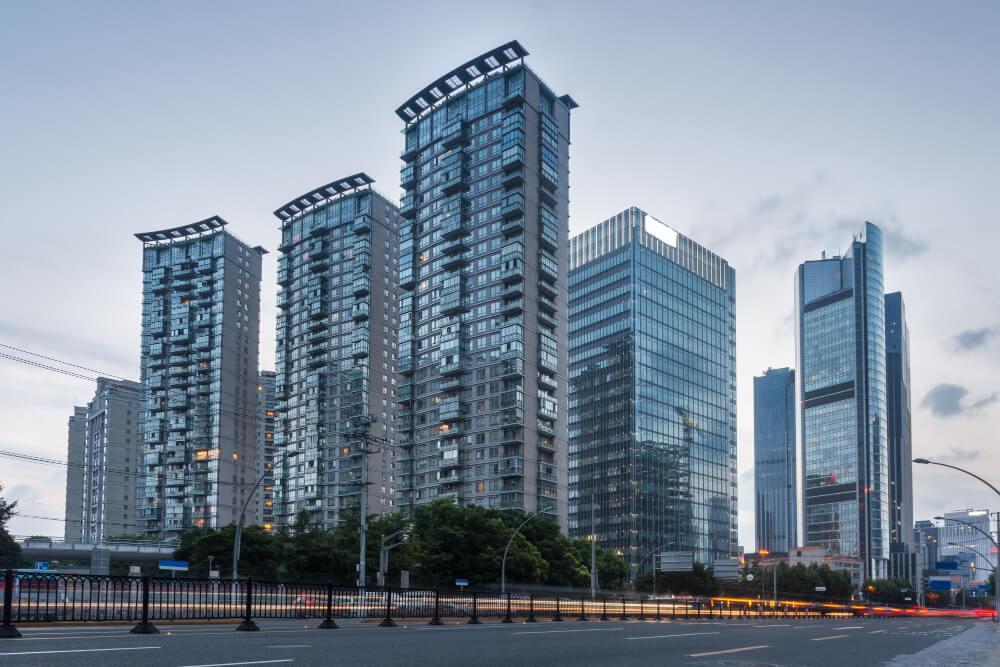
- Building facades
- Large walls
- Sculptures
- Stage backdrops
- Ceilings
- Floors
The key is selecting surfaces that are visible to the audience and have enough space to display impactful visuals.
Projection mapping can also be adapted to smaller venues, but the scale of the visuals will depend on the available surfaces and projector capabilities.
When evaluating a venue, consider factors such as ceiling height, ambient lighting, and available power sources.
Understanding the Technology
While projection mapping may look magical, it requires sophisticated equipment and careful planning.
Key technical components include:
Projectors
High-brightness projectors are essential for producing vivid visuals, especially in large spaces or areas with ambient light.
Brightness is typically measured in lumens. Large events may require projectors with 10,000 lumens or more to ensure the visuals remain clear.
Media Servers
Media servers control the playback of visual content and synchronize multiple projectors when necessary. These systems ensure visuals remain perfectly aligned throughout the event.
Mapping Software
Specialized software is used to map digital content onto physical surfaces. The software aligns the visuals precisely with architectural features.
Content Creation
Custom animations, graphics, and motion design are created specifically for the event. This content determines the style, tone, and storytelling of the experience.
Designing the Visual Experience
Projection mapping is not just about technology. The creative concept is equally important.
Start by defining the purpose of the visuals. Are they meant to tell a story, highlight a brand, or create a specific mood?
Visual designers then develop content that aligns with the event theme.
Some common design approaches include:
- Abstract motion graphics
- Nature-inspired scenes
- Brand-focused animations
- Interactive visuals
- Story-driven sequences
The content should complement the event rather than overwhelm it. Successful projection mapping blends seamlessly with lighting, music, and stage design.
Coordinating With Other Event Elements
Projection mapping works best when integrated with the overall event design.
For example:
- Lighting designers can synchronize lights with projection visuals
- DJs or musicians can coordinate music with visual sequences
- Stage design can incorporate surfaces specifically intended for projections
This integration creates a cohesive experience where every element supports the same creative vision.
Planning the Installation Timeline
Projection mapping setups often require detailed preparation before the event begins.
Typical steps include:
- Venue analysis and measurements
- Equipment setup and projector positioning
- Content mapping and calibration
- Technical testing and rehearsals
Depending on the complexity of the installation, setup may take several hours or even multiple days.
Early planning ensures there is enough time to fine-tune the visuals and address technical challenges.
Budget Considerations
The cost of projection mapping can vary widely depending on the scale of the event.
Factors that influence pricing include:
- Number and brightness of projectors
- Complexity of custom content
- Size of the projection surface
- Equipment rental
- Technical crew requirements
Smaller installations can be relatively affordable, while large architectural projections may require significant investment.
However, many event planners find that the impact and uniqueness of projection mapping justify the cost.
Creating Lasting Impressions
One of the biggest advantages of projection mapping is its ability to create memorable experiences.
Guests often remember events not just for the food or entertainment but for moments that felt visually spectacular or emotionally engaging.
Projection mapping can deliver those moments by transforming environments in ways that surprise and delight audiences.
For brands, this kind of immersive experience helps reinforce messaging and create stronger emotional connections with attendees.
For private events, it creates magical moments that guests talk about long after the celebration ends.
Final Thoughts
Projection mapping has become one of the most exciting tools in modern event design. By combining technology, art, and storytelling, it allows event planners to transform spaces and create immersive environments that leave lasting impressions.
Whether used for corporate events, weddings, festivals, or brand activations, projection mapping opens the door to creative possibilities that traditional décor simply cannot match.
With careful planning, the right venue, and a strong creative vision, projection mapping can turn an ordinary event into an extraordinary experience that captivates every guest in the room.